Practice Model
Our Therapeutic model utilises trauma informed practice, PACE, Developmental Psychotherapy and attachment based learning in all aspects of our teaching, learning support and pastoral care throughout the school day.
Utilising this model we can promote inclusion and develop attachment friendly strategies to help young people with complex attachment needs survive and thrive in schools. Drawing from learning from working with young people who have experienced trauma and loss, identifying pupils’ attachment needs and adapting teaching techniques and the school environment to support these young people.
Head of Inclusion, Jenny Anderson - jenny@theplaceindependentschool.co.uk
Therapeutic Support at The Place Independent School & College
At The Place we are proud to be a trauma-informed community where every young person is known, understood and supported to thrive.
Many of our young people arrive with complex social, emotional and mental health needs, disrupted education and adverse life experiences. We understand that progress happens when young people feel safe, regulated and connected.
Therapy at The Place is not separate from education. It is embedded within relationships, classrooms, outdoor learning and everyday routines.
Our practitioners work in partnership with teaching, pastoral and SEND teams so that strategies introduced in sessions are reinforced throughout the week.
All interventions follow a graduated and reflective process:
Assess → Plan → Do → Review
This ensures provision remains personalised, evidence informed and responsive.
Art Therapy
Art therapy provides a non-verbal, creative route for young people to explore feelings and experiences that may be difficult to express in words.
Through creative processes, young people can:
- process trauma
- build self-esteem
- develop emotional regulation
- strengthen relationships
Sessions are individualised and progress is reviewed regularly with pastoral and mental health teams.
Drawing and Talking
Drawing and Talking is an attachment-based intervention designed to complement CAMHS and other specialist services.
Young people draw freely and use storytelling approaches to explore their internal world. This supports them to:
- understand emotions
- resolve internal conflicts
- reduce anxiety
- build confidence
Therapeutic spaces are calm and uncluttered to allow imagination to guide the process.
Emotional Literacy Support (ELSA)
ELSAs are trained school-based staff supervised by educational psychologists.
They work individually or in small groups to develop:
- emotional literacy
- self-regulation
- social skills
- resilience
- positive mental health
Sessions are practical and outcomes are supported across the wider school day.
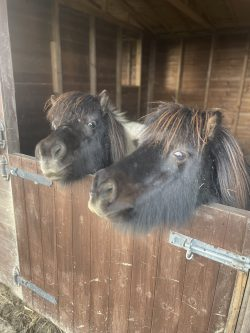
Animal-Assisted Practice
Interaction with animals can create powerful opportunities for regulation and connection.
Activities may include stroking, grooming, walking or observing animals. This can:
- lower anxiety
- support emotional regulation
- develop empathy
- build trust
- help young people reflect on relationships
Practitioners support young people to make meaning from what they notice and experience.
Speech & Language Therapy (SALT)
Speech and Language Therapy supports communication, interaction and understanding.
Support may focus on:
- understanding spoken language
- following instructions
- expressing ideas
- speech clarity
- social communication
- alternative communication approaches
- eating, drinking or voice
The SALT team empowers adults to integrate strategies across all settings.
Think Good, Feel Good
This structured cognitive behavioural programme helps young people understand how thoughts influence feelings and behaviour.
Young people learn to:
- recognise unhelpful thinking
- develop balanced perspectives
- build coping strategies
- become effective problem solvers
It is particularly supportive for anxiety and low mood.
Lego Therapy
Lego Therapy uses structured collaborative play to develop communication and interaction skills.
Young people practise:
- turn taking
- listening
- shared problem solving
- expressive and receptive language
The predictable format supports safety, engagement and success.
Wilderness Therapy
Outdoor therapeutic programmes provide challenge, reflection and opportunities for growth.
Young people develop:
- resilience and perseverance
- self-awareness
- cooperation
- independence
- respect for others and the environment
For many, the outdoors reveals strengths not yet visible in the classroom.
Occupational Therapy & Sensory Integration
Occupational Therapy helps remove barriers preventing young people from accessing learning and daily activities.
Support may include:
- sensory processing
- attention and regulation
- handwriting
- motor skills
- organisation
Therapists provide assessment, direct intervention and staff coaching so strategies are embedded throughout the day.
Psychotherapy & Play Therapy
A consistent therapeutic relationship enables young people to explore feelings through play, art, stories and conversation.
This can support:
- trauma and loss
- anxiety
- anger and regulation
- attachment difficulties
- behaviours linked to unmet needs
Think Good, Feel Good
This structured cognitive behavioural programme helps young people understand how thoughts influence feelings and behaviour.
Young people learn to:
- recognise unhelpful thinking
- develop balanced perspectives
- build coping strategies
- become effective problem solvers
It is particularly supportive for anxiety and low mood.
Meet the Therapy Team
Our therapeutic team brings together specialists from a wide range of disciplines. They work closely with education and pastoral colleagues to ensure every young person receives joined-up, consistent support.
Lucy – Emotional Literacy Support Assistant (ELSA)
Lucy is trained through Futures in Mind and supported by educational psychology supervision. She delivers tailored interventions to help young people develop emotional literacy, resilience, confidence and social understanding.
Wendy – Lego Therapist / Think Good, Feel Good Practitioner
Wendy leads Lego Therapy, supporting communication, teamwork and problem solving through structured play. She is also undertaking training to deliver the Think Good, Feel Good cognitive-behavioural programme.
India – Animal-Assisted Therapist
India holds a Level 3 qualification in Animal Assisted Therapy alongside postgraduate and Master’s level study in Psychology. Her work helps young people build connection, regulation, empathy and trust through structured experiences with animals.
Amber – Animal-Assisted Activities (College)
Amber supports young people at the college site through animal-assisted activities and is continuing to develop her specialist qualifications in this field.
Beth – Drawing and Talking Practitioner (School)
Beth has completed her foundation training in Drawing and Talking Therapy. She provides consistent, attachment-aware sessions that help young people explore emotions safely.
Ellie – Drawing and Talking Practitioner (College)
Ellie has completed her foundation training and additional professional development supported by the British Association of Art Therapists. She creates calm therapeutic spaces where young people can make sense of their experiences.
James – Outdoor Learning & Wilderness Therapy Lead
James is a Level 5 Outdoor Learning Specialist with qualifications in Wilderness Therapy. He uses nature-based programmes to develop resilience, teamwork, independence and self-belief.
Andy – Occupational Therapist
Andy is a Highly Specialist Occupational Therapist & Ayres Sensory Integration Practitioner and is HCPC Registered. He supports young people to overcome barriers to participation in learning. His work includes sensory regulation, motor skills, attention and independence, alongside coaching for staff.
Lucy – Speech & Language Therapist
Lucy is HCPC registered and a member of the Royal College of Speech and Language Therapists. Her practice is neuroaffirming and strengths-based, built on the belief that all young people communicate, even when words are difficult to access.
Alistair – Psychotherapist & Play Therapist
Alistair holds a Master’s qualification in Integrative Counselling and Psychotherapy for Children, Adolescents and Families and is a registered member of the BACP. He provides a safe relational space where young people can process trauma, anxiety and attachment difficulties.

